
If your boiler keeps turning off or going into lockout, it’s not just frustrating—it can leave your home cold and without hot water. The good news is many common issues show simple signs you can safely check yourself before calling a Gas Safe engineer. Homeowners in Port, Llantrisant, and Talbot Green can follow these easy steps to troubleshoot and decide when to book a professional repair.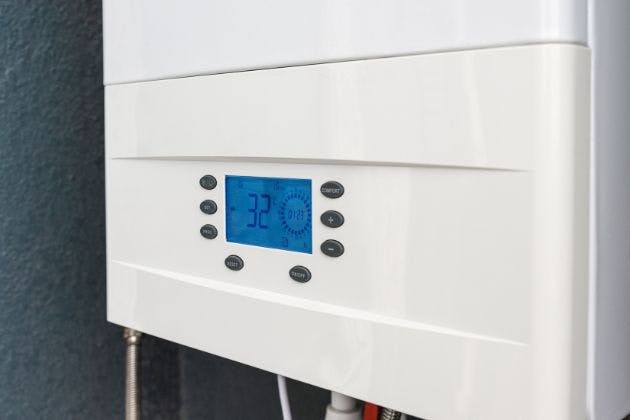
Quick safety checks before you touch anything
Intermittent shutdowns usually mean your boiler has detected a fault and is protecting itself. Never remove the boiler cover or work on gas parts yourself. That work is strictly for Gas Safe registered engineers.
Before you start, run through a few basic checks:
Check that other gas appliances (if you have them) are working normally
Look for error codes or flashing lights on the boiler display
Listen for unusual noises such as loud banging, gurgling or whistling
Make sure the room has good ventilation and that no vents are blocked
If you ever smell gas, switch everything off, leave the property and call the National Gas Emergency Service on 0800 111 999
If you feel unsure at any point, stop and call a Gas Safe engineer. It is always better to be cautious with gas appliances.
Low boiler pressure is causing frequent shutdowns
Modern boilers need a certain pressure to move water around your heating system. If the pressure is too low, the boiler may lock out or keep turning off to prevent damage.
If you see the pressure gauge below 1 bar when the system is cold, or an error code related to low pressure, your system may need topping up.
You can usually re-pressurise using the filling loop under the boiler, following the instructions in your boiler manual. Open the valves gently until the gauge reaches around 1.2 to 1.5 bar, then close them fully.
If the pressure keeps dropping again after you top it up, this points to a leak or another fault. Do not keep topping up every day, as this can corrode the system. Call a professional to find the underlying issue.
Frozen or blocked condensate pipes and drain issues
In cold weather, a frozen condensate pipe is one of the most common causes of a boiler stopping. The condensate pipe is usually a white plastic pipe running from the boiler to an outside drain.
If it happens after a temperature drop below freezing, and you hear gurgling or see an error code relating to condensate, suspect a frozen pipe.
You may be able to thaw an accessible external pipe yourself by pouring warm (not boiling) water over the outside of the pipe and lagging it afterwards. Never use a blowtorch or very hot water, and only do this if you can reach it safely from ground level.
Blocked condensate or overflow drains can cause similar issues at any time of year. If you see water dripping constantly outside or damp around the boiler, stop using it and call an engineer to clear the blockage and check for internal damage.
Thermostat, programmer and control faults
Sometimes the boiler is fine, but the controls are sending mixed messages. This can look like the boiler firing up, then switching off again a few minutes later.
If you see the boiler status light going on and off, but the radiators stay cool, first check your programmer or smart thermostat settings.
Make sure the heating and hot water are actually “on” for the times you expect. Check that the temperature is set higher than the current room temperature. Replace thermostat batteries if it has them, and ensure wireless room stats have a good signal.
If settings look correct but the boiler still cuts out, there could be a fault with the wiring, sensors or the control unit itself. That is work for a qualified engineer.
Poor circulation and system cleanliness problems
When water cannot circulate properly, the boiler can overheat and shut down repeatedly. This is often linked to sludge, limescale, or failing pumps.
If you feel some radiators hot at the top and cold at the bottom, or hear kettling (a rumbling, boiling sound) from the boiler, circulation troubles are likely.
You can bleed radiators yourself with a radiator key to release trapped air. Place a cloth under the valve, open it slowly until the air stops and water appears, then close it firmly. This can improve performance but will not fix sludge or pump issues.
Persistent cold spots, noisy pipes, or a boiler that overheats and cuts out all suggest you need a professional to check the pump, clean the system, or carry out a powerflush.
Using error codes and sounds to triage the problem
Most modern boilers display an error code when they lock out. Your boiler manual will explain what each code means and whether it is safe for you to attempt a reset.
As a simple decision guide:
If you see a clear code for low pressure or a simple lockout, you may try a single reset after fixing the cause
If you hear loud banging, scraping, or fan noises before shutdown, turn the boiler off at the mains and call an engineer
If it shuts down after a few seconds of trying to ignite, there could be a gas, ignition or sensor fault that only a Gas Safe engineer should handle
Error codes are designed to guide professionals, not to turn you into an engineer overnight. Use them to explain what is happening when you book a repair.
Risk of repeated resets and ignoring lockouts
Reset buttons are useful, but they are not a fix. If your boiler keeps switching off and needing a reset, it is warning you that something is wrong.
Repeated resets can mask faults like overheating, poor combustion or blocked flues. This can shorten the boiler's life and, in extreme cases, affect safety.
If you have to reset more than once in a short time, stop, switch the boiler off, and book a Gas Safe engineer. Never keep forcing it back on while faults persist.
What a professional diagnosis usually involves
When you call a Gas Safe engineer, they will work through a structured set of checks rather than guessing. This saves time and often costs in the long run.
Typical checks include:
Testing sensors and safety devices, like temperature probes, pressure switches and flame detection. They will confirm everything is reading correctly and cutting power when it should.
Inspecting the fan, ignition and burner, making sure the boiler lights reliably and burns gas cleanly. They will also trace the condensate route to check for partial blockages or poor pipe runs.
Looking at system cleanliness, filters and the expansion vessel, as sludge build-up or a flat expansion vessel can cause constant pressure changes and lockouts. The engineer will then recommend repairs, cleaning, or, in some cases, upgrading old components.
Reducing boiler lockouts with ongoing maintenance
Regular servicing is one of the best ways to reduce random shutdowns and emergency callouts. Annual checks help catch small issues before they become major faults.
A proper service includes cleaning key components, checking combustion, testing safety devices and verifying pressures and expansion vessel charge. For homes in Port, Llantrisant and Talbot Green, this is especially valuable in older properties with long pipe runs and older radiators.
Keeping inhibitor levels topped up, bleeding radiators when needed and protecting outside condensate pipes with insulation will all help your boiler run smoothly between services.
Need help with a boiler that keeps turning off?
If your boiler is repeatedly shutting down, locking out or needing resets, do not ignore it. Try the safe checks above, but if the problem continues, you need a Gas Safe professional to investigate properly.
For reliable boiler repairs and servicing in Port, Llantrisant and Talbot Green, contact Green Flame Plumbing and Heating on 07971651849. Whether your boiler keeps cutting out or has not been serviced in a while, booking a repair or annual service now can restore reliable heating and reduce the chance of future breakdowns.