
Uneven heating can make your home uncomfortable and drive up your energy bills. Some rooms may feel too hot while others stay cold, making it hard to keep a consistent temperature throughout your house. The good news is that carefully balancing your radiators can often fix these issues by ensuring hot water flows evenly to each radiator. This helps every room reach a comfortable, steady temperature without needing to adjust your boiler settings. Properly balanced radiators improve comfort, reduce energy waste, and can extend the life of your heating system.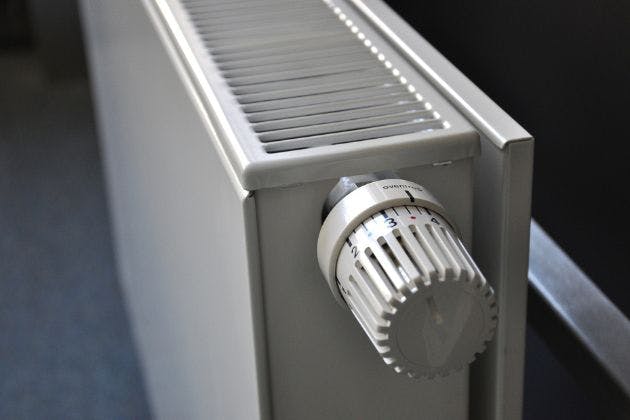
When radiator balancing helps (and when it will not)
Balancing is about controlling how much hot water reaches each radiator so the whole system heats up at roughly the same speed. It is especially useful in typical South Wales terraces and semis where upstairs can feel like a sauna while back rooms or extensions stay cold.
Balancing is likely to help if you notice:
One or two rooms are always colder, even with the valves fully open
Upstairs radiators get hot very quickly while downstairs lags behind
Extension or loft conversion radiators never seem to catch up with the rest
Balancing alone will not fix problems such as no radiators heating at all, the boiler repeatedly locking out, serious banging or kettling noises from the boiler, or very patchy heat from sludge in the system. Those are signs you need a heating engineer rather than a simple adjustment.
Bleeding vs balancing: what is the difference?
Bleeding removes trapped air from a radiator so hot water can fill the whole panel. You usually bleed a radiator if the top stays cold while the bottom is hot, or you hear gurgling inside.
Balancing is different. It involves adjusting the lockshield valve at the end of each radiator to control how much hot water flows through that radiator compared with the others. You can bleed and balance in the same visit, but they solve different problems.
Tools and safety before you start
You do not need specialist kit, but having the right tools makes the job easier and safer. Gather:
Radiator key (for bleeding if needed)
Adjustable spanner or small wrench (for lockshields)
Thermometer or infrared (IR) thermometer
Old towel and small bowl (to catch drips)
Turn the heating off and allow the radiators to cool before you touch any valves. This protects you from burns and gives you a clear starting point. Lay towels under radiators to protect floors from any drips, especially on wooden or laminate flooring.
Step 1: Check and bleed radiators first
Before balancing, make sure every radiator can actually heat properly. Turn the heating back on, wait for it to warm up, then check each radiator from top to bottom.
If a radiator is hot at the bottom but cool at the top, use the radiator key to carefully open the bleed valve until air hisses and water starts to appear, then close it firmly. Top up your boiler pressure afterwards if you have a sealed system, then let everything warm up again.
Step 2: Identify the radiator order from the boiler
To balance effectively, you need a rough idea of which radiators are closest to the boiler and which are furthest away. In many South Wales homes, the hall or lounge radiator near the boiler cupboard heats first, with upstairs and extension rooms heating last.
Turn the heating on from cold and feel each radiator every few minutes. Note the order they heat up in. The quickest to heat are usually closest to the boiler, and the slowest are usually at the far end of the pipework. Write this order down for your checklist.
Step 3: Set valves to a sensible starting point
Turn the heating off again and allow radiators to cool. On each radiator, fully open the thermostatic radiator valve (TRV) or manual control on one end by turning it anticlockwise.
At the other end, you will find the lockshield valve. Remove any plastic cap, then use your spanner to gently close it fully (clockwise), then open it again by about half to one full turn as a baseline. Do this for every radiator.
Step 4: Balance radiators one by one
Turn the heating back on and set the room thermostat to a high enough setting that the system keeps running while you work. Starting with the radiator closest to the boiler, let it heat up fully.
Use your thermometer to measure the temperature of the pipe going into the radiator (flow) and the pipe coming out (return). A practical target for most homes is a temperature drop of around 10 to 15°C between flow and return.
Adjusting to reach the target temperature difference
If the temperature drop is very small, close the lockshield slightly to restrict flow and encourage more water to other radiators. If the drop is very large or the radiator heats very slowly, open the lockshield a little more.
Make small adjustments, wait a few minutes for the temperature to settle, then measure again. Once the first radiator is within your target range, move on to the next radiator in your list, working gradually towards the ones furthest from the boiler.
Printable quick checklist for balancing radiators
Use this as a simple step-by-step reminder:
Turn heating off, allow radiators to cool, protect floors with towels.
Turn heating on from cold, note the order radiators heat up.
Turn heating off, cool down, open all TRVs fully.
Set every lockshield to half to one turn open from fully closed.
Turn heating on, adjust each lockshield in order to achieve a 10 to 15°C drop between flow and return.
Common issues while balancing
Stuck TRV pin
If a radiator stays stone cold while others heat, the TRV may be stuck. Remove the plastic head by loosening the retaining ring, then gently press the small metal pin underneath.
It should spring up and down freely. If it is stuck down, gently tap around it and work it up and down until it moves smoothly. Replace the head and try the radiator again.
Seized lockshield valve
On older systems, the lockshield may be stiff or seized. Do not force it, as you could cause a leak. Try a small back-and-forth movement with your spanner to free it slightly.
If it will not move safely, stop and contact a heating engineer. Replacing or repairing seized valves is not a DIY job for most homeowners.
Sludge and powerflushing symptoms
If some radiators remain cool at the bottom and hot at the top after bleeding, or have cold patches across the middle, this often points to sludge rather than a balancing issue. You might also notice the boiler being noisy or the water running dirty when you bleed radiators.
In these cases, a professional powerflush or chemical clean may be needed to clear the system before balancing will make much difference.
When to call a Gas Safe engineer
Stop and call a Gas Safe registered engineer if you notice the boiler cutting out repeatedly, loud banging or kettling sounds, signs of leaking pipework or valves, or any smell of gas. These are not balancing problems and need expert attention.
If you have tried careful bleeding and balancing but still have uneven heating, your system design, pump setting, or boiler performance may need checking professionally.
Next steps for a comfortable, efficient home
Balancing radiators takes a bit of patience, but for many South Wales homes, it can transform cold back bedrooms and chilly extension rooms into comfortable spaces without turning the thermostat up. It also helps your boiler run more efficiently, as heat is shared more evenly around the system.
If balancing does not resolve your heating issues, or you would prefer a professional to check the system, book a boiler service and maintenance visit with Green Flame Plumbing and Heating. Call 07971651849 and an experienced engineer can assess your system, recommend any flushing or repairs, and get your radiators working properly again.