
If your radiators are hot at the top but cold at the bottom, it’s more than just an annoyance — it usually means your heating system isn’t circulating water properly. This uneven heating can waste energy, increase heating bills, and leave rooms feeling colder than they should be. Over time, poor circulation can strain your boiler and cause parts of your heating system to wear out faster. Identifying and fixing the issue early can improve comfort, save money, and extend the life of your central heating.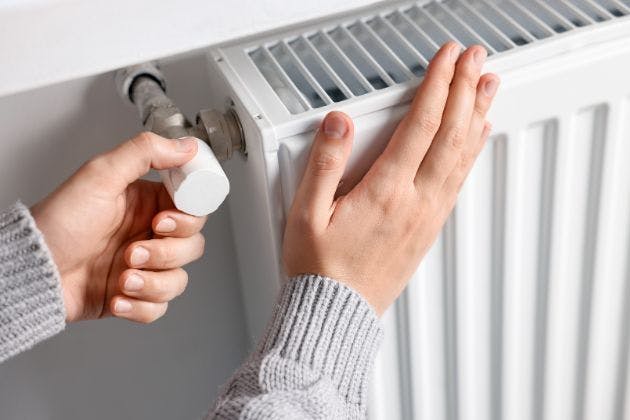
Main causes of radiators being cold at the bottom
The most common reason for radiators being cold at the bottom is sludge build-up. Over time, tiny particles of rust and debris mix with the water in your system and settle at the bottom of radiators, blocking the flow.
Sludge is especially likely in older or poorly maintained systems, or where corrosion protection has not been topped up regularly. The more sludge there is, the more the hot water is forced to flow only through part of the radiator, leaving cold patches.
Other possible causes include trapped air, poorly balanced radiators, issues with the pump, or a stuck thermostatic radiator valve (TRV). Often, a few simple checks can help narrow down what is going on.
Quick checks you can do safely
Before reaching for tools, it helps to work through a simple, safe troubleshooting flow. This can save time and give your heating engineer useful information if you do need to call them out.
Check TRVs and radiator valves: Make sure both valves on the radiator are fully open or set to the desired level.
Compare different radiators: Note which ones have cold bottoms or uneven heat, and which work normally.
Listen for noisy pipes or gurgling: These can suggest air or circulation issues.
Look at the boiler pressure: For most systems, around 1 to 1.5 bar when cold is typical, but always check your manual.
If the radiator is cold at the bottom but very hot at the top, sludge is more likely than trapped air. Air tends to collect at the top, giving the opposite symptom: hot at the bottom, cold at the top.
Checking and freeing up TRVs
Thermostatic radiator valves can occasionally stick, especially after being left off over the summer. Try turning the TRV fully off, then fully on again, a few times.
If the plastic head comes off easily, you may see a small metal pin underneath. If you are confident, you can gently press this pin up and down to free it, but never use excessive force. If it will not move, it is safer to call an engineer.
Bleeding radiators, if you feel comfortable
Bleeding radiators only really helps if you have cold tops, not cold bottoms. However, if you do have some radiators cold at the top with gurgling sounds, bleeding can be useful.
Turn the heating off and allow the system to cool. Use a radiator key and a cloth, and open the bleed valve slightly until air stops and a steady stream of water appears, then close it firmly. Afterwards, check the boiler pressure and top up only to the recommended level if needed.
If you find yourself bleeding the same radiators repeatedly, that is a clue that there is an underlying problem, and you should speak to a professional.
When sludge and circulation problems are likely
If several radiators are hot at the top but cold or cool at the bottom, sludge is a strong possibility. The build-up restricts water flow, meaning your boiler has to work harder to heat the property.
Common indicators that sludge or circulation issues are building up include:
Multiple radiators with cold patches or slow warm-up
Boiler or pipework making banging, kettling or gurgling noises
Frequent need to bleed radiators to get them hot again
Parts of the house that never quite feel warm, even with the heating on
In these situations, a professional may recommend a power flush. This is a specialist process that uses powerful pumps and chemicals to clean sludge and debris from the whole heating system.
Powerflushing should only be carried out by trained engineers, as incorrect use can cause damage. It is not something to attempt as a DIY project.
Balancing, pumps and other system checks
Even if you do not have heavy sludge, your system may simply need balancing. This means adjusting the lockshield valves so that every radiator gets a fair share of hot water, starting with those furthest from the boiler.
A poorly balanced system can leave some radiators slow to heat or only warming partially. Balancing can be fiddly and time consuming, so many homeowners prefer to have a heating engineer carry it out.
Your heating professional will also check the circulation pump. If the pump is failing or incorrectly set, water may not flow strongly enough through the system, giving similar cold spot symptoms.
Prevention tips to keep radiators heating properly
Once your radiators are heating evenly again, ongoing care makes it less likely that cold bottoms and sludge will return. Simple preventive steps can make a real difference to efficiency and system life.
First, make sure inhibitor levels are checked and topped up when work is done on the system. Inhibitor helps to slow corrosion and sludge formation inside radiators and pipework.
Regular boiler servicing and heating checks help catch issues early. An annual service allows an engineer to test key components, check pressure, look for signs of sludge, and advise on any remedial work before problems worsen.
Keep an eye on system pressure too. If it keeps dropping, there may be a leak or another underlying fault that needs attention.
What not to do with cold radiators
It can be tempting to experiment when radiators are not working properly, but a few actions can cause more harm than good. Avoid draining the system unnecessarily, as this can introduce more air and disturb sludge without actually removing it.
Do not keep topping up the boiler pressure without finding the reason it is dropping. Constantly adding fresh water introduces more oxygen, which can speed up corrosion and create even more sludge.
Also, be cautious about using off-the-shelf chemical treatments on your own. Used incorrectly, they can shift sludge to sensitive parts of the system, including the boiler, and cause blockages.
When to call a heating engineer?
If you have checked your valves, bled where appropriate, and still have radiators cold at the bottom or multiple cold spots throughout the house, it is time to involve a professional. Persistent issues, noisy boilers, or frequent pressure loss should never be ignored.
A qualified heating engineer can test circulation, assess sludge levels, balance your system, and advise whether a powerflush is appropriate or if another fix is more suitable.
Need expert help? Contact us today!
If you are in need of expert help, contact Greenflame Plumbing and Heating on 07971651849 for a friendly assessment. You can request a powerflushing assessment, arrange Boiler Maintenance or Central Heating Services, and book Boiler Servicing for regular annual checks to keep your home warm and efficient.